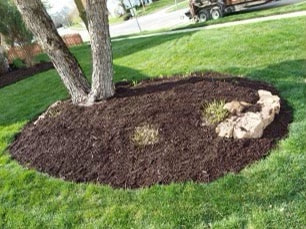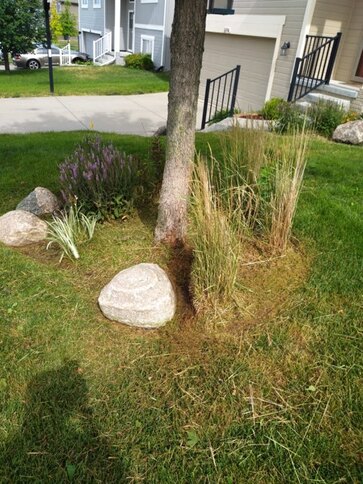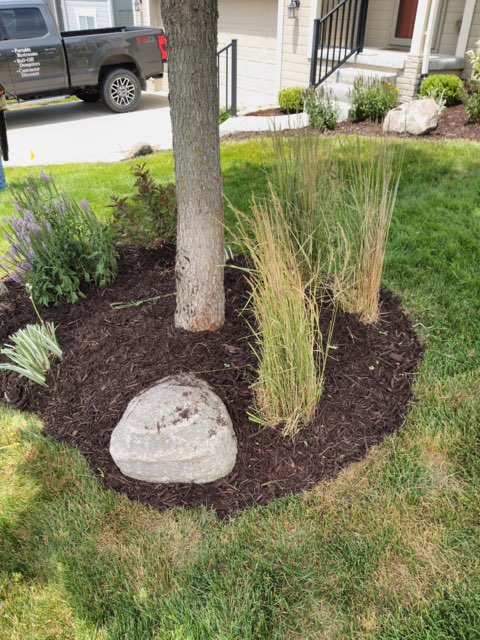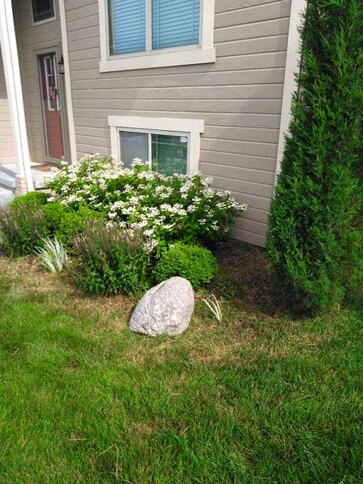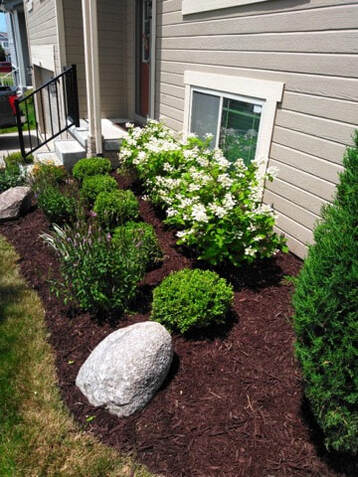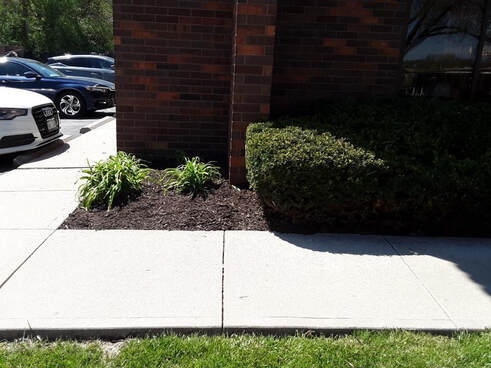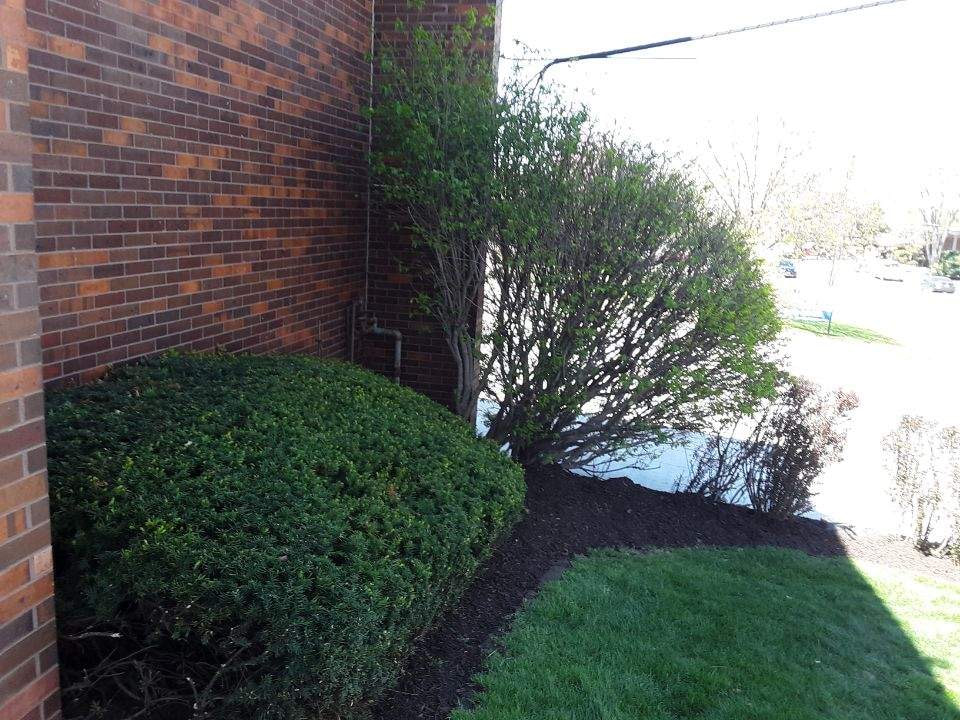
Gutter guards are essential components in home maintenance, playing a pivotal role in safeguarding your landscape. By preventing debris from clogging your gutters, they ensure efficient water flow, which is crucial in protecting your soil and plants from water-related damage. Preventing Soil Erosion Without gutter guards, gutters can become clogged with leaves, twigs, and other debris, leading to water overflow. This overflow can cause excessive water to cascade directly onto the soil below, leading to erosion. Eroded soil loses its fertility and structure, making it challenging for plants to thrive. By maintaining clear gutters, gutter guards help direct rainwater through the proper channels, minimizing the risk of soil erosion and preserving the integrity of your landscape. Protecting Plant Health Excessive water from overflowing gutters can inundate plant roots, leading to root rot and other water-related diseases. Additionally, the force of uncontrolled water flow can physically damage plants, breaking stems and washing away seeds. Gutter guards prevent such scenarios by ensuring that water is effectively channeled away from plant beds, maintaining optimal moisture levels and protecting plants from potential harm. Maintaining Mulch and Ground Cover Mulch is commonly used in landscaping to retain soil moisture, regulate temperature, and suppress weeds. However, water overflow from clogged gutters can wash away mulch, exposing soil to the elements and disrupting the aesthetic appeal of your garden. By preventing gutter clogs, gutter guards help maintain the placement and effectiveness of mulch and other ground covers, contributing to a healthier and more attractive landscape. Reducing Maintenance Efforts Clogged gutters require frequent cleaning to prevent water overflow and the associated landscape damage. Installing gutter guards reduces the accumulation of debris, thereby decreasing the frequency of gutter maintenance. This not only saves time and effort but also ensures that your landscape remains protected year-round without constant intervention. Enhancing Home Safety Beyond landscape protection, gutter guards contribute to overall home safety. By preventing water from overflowing and pooling around the foundation, they reduce the risk of basement flooding and structural damage. A well-maintained gutter system with quality gutter guards ensures that rainwater is directed safely away from your home, preserving both your landscape and the structural integrity of your property. In conclusion, gutter guards are a vital investment for homeowners aiming to protect their landscapes. They prevent water overflow that can erode soil, damage plants, and disrupt the harmony of your outdoor space. By ensuring efficient water management, gutter guards help maintain a healthy, vibrant, and low-maintenance landscape. Give Kozy Lawn Care a call, for gutter installation and lawncare!
0 Comments
When it comes to lawn care, many homeowners weigh the costs of doing it themselves versus hiring a professional. On the surface, DIY lawn care may seem like the cheaper option, but when you factor in time, effort, and results, is it really the best choice? Let’s break down the true cost of lawn care and see why hiring a local expert like Kozy Lawn Care might be the smarter investment. DIY Lawn Care: The Hidden CostsMany homeowners assume DIY lawn care is cost-effective because they aren’t paying for professional services. However, there are several hidden expenses to consider:
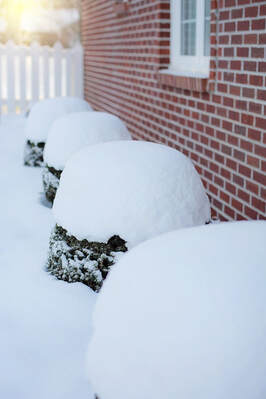
Ready to Invest in Your Lawn?Don’t let lawn care become a costly, time-consuming hassle. Contact Kozy Lawn Care today for a free estimate and experience the difference a professional touch can make! Sledding on your grass in Omaha, especially during winter, can have varying effects depending on several factors. Here's a breakdown: The Impact of Sledding on Grass
1. What's up, lawn care enthusiasts?Hey there, lawn care enthusiasts! As November rolls around, it's time to step up your game and give your lawn the TLC it deserves. And who better to trust with your lawn care needs than us at Kozy Lawn Care? With our top-notch services, we make sure your lawn stays green and healthy all year round. From aeration to fertilization, we've got you covered. Keep reading to learn our top tips for nailing your lawn care game in November, Omaha edition! #BestLawnCare #WeCareAtKozyLawnCare 2. Why November is the perfect time to level up your lawn care in OmahaSo, why November, you ask? Well, let me tell you – this month is like the sweet spot for prepping your lawn to slay all year round in Omaha. The cooler temperatures mean less stress on your grass, giving it a chance to recover and grow strong roots. Plus, all that fall debris that's been piling up? Say bye-bye! Cleaning up now sets the stage for a fresh start come spring. Trust me, your lawn will thank you later when it's the envy of the neighborhood. So, grab that rake and get to work – your grass will be singing your praises in no time! #LawnGoals 3. Top tips and tricks to make your lawn the envy of the neighborhood Alright, fam, let's dive into how to make your lawn the talk of the town! First up, don't be shy with the aeration. Get those little plugs out of the ground to let some air and nutrients flow, your grass will gobble it up! Next, hit that lawn with some quality fertilizer to keep it well-fed and happy. And hey, let's not forget about overseeding to fill in any bare spots and thicken up the lawn – you want it looking lush, right? Stay tuned for more tips to level up your lawn care game in Omaha this November! #LawnBoss 4. Don't forget about winter prep for a healthy lawn next spring! Alright, peeps, as we wrap up our November lawn care agenda, let's chat about getting your grass ready for the cold months ahead. Trim those grass blades a bit shorter than usual to prevent matting and disease. Clear up any lingering leaves and debris to avoid inviting pests to set up camp. Consider a final round of fertilizer to give your lawn that last boost of nutrients before the frost hits. And don't forget to disconnect those hoses and store your tools properly - you'll thank yourself when spring rolls around! Keep your lawn game strong all year round, folks! #LawnCareEnthusiast 5. Let's all show off our lush green lawns in Omaha this November! Time to flaunt those well-maintained lawns, folks! With a little bit of TLC and these handy November lawn care tips, your yard will be the envy of the neighborhood. So grab a cup of hot cocoa, sit back, and admire your hard work paying off. Remember, a little effort now means a beautiful lawn come springtime. Let's keep those grass blades trimmed, leaves cleared, and tools stored away - you're on your way to lawn care guru status! Keep up the good work, Omaha lawn enthusiasts! 🌿🍂✨ #LawnGoalsGalore As autumn rolls in and leaves begin to blanket our lawns, homeowners face the age-old dilemma: should you rake those leaves or mulch them? While raking may seem like the traditional approach, mulching offers numerous benefits that can enhance the health of your garden and save you time and effort. Let’s explore why mulching leaves is often the better choice. 1. Nutrient Recycling One of the most significant advantages of mulching leaves is the nutrient recycling it provides. When you mulch leaves, you chop them into small pieces that decompose more quickly. This process returns valuable nutrients back into the soil, enriching your garden and supporting plant growth. In contrast, raking leaves simply removes these nutrients from your yard. 2. Soil Health Improvement Mulched leaves act as a natural mulch, helping to retain soil moisture and regulate temperature. This is particularly beneficial during hot summer months and cold winters, as it creates a healthier environment for plant roots. Additionally, the decomposing leaves improve soil structure and encourage beneficial microorganisms that promote overall soil health. 3. Weed Suppression A layer of mulched leaves can effectively suppress weeds. By covering the soil, the leaves block sunlight, making it difficult for weed seeds to germinate. This can lead to less maintenance in your garden, as you’ll spend less time pulling weeds and more time enjoying your outdoor space. 4. Time and Labor Savings Mulching leaves saves you time and effort. Instead of spending hours raking and bagging leaves, you can simply run your lawn mower over them to mulch. This process is quicker and requires less physical labor, leaving you with more time to enjoy the beautiful autumn weather. 5. Eco-Friendly Choice By choosing to mulch leaves instead of raking them, you’re making an environmentally friendly decision. Mulching reduces the amount of yard waste sent to landfills, contributing to a more sustainable approach to lawn care. Plus, it minimizes the need for chemical fertilizers by naturally enriching your soil. While raking leaves may be the traditional method, mulching offers a host of benefits that can enhance your garden's health and save you time. From nutrient recycling and improved soil health to weed suppression and eco-friendliness, mulching leaves is a smart choice for any homeowner. Call Kozy Lawn Care today! Our team is ready to assist you with your lawn care needs this autumn. Aeration is a vital lawn care practice, especially in the fall, for homeowners in Omaha, Nebraska. As the summer heat fades and the cooler weather sets in, it’s the perfect time to prepare your lawn for the upcoming winter. Aeration involves creating small holes in the soil to allow air, water, and essential nutrients to reach the grassroots. In Omaha, where the soil often consists of heavy clay and experiences significant foot traffic, this process is particularly important. Clay-heavy soils are prone to compaction, which restricts the movement of air, water, and nutrients to the roots. Over time, this can lead to a weakened lawn that struggles to thrive. By aerating in the fall, you relieve soil compaction, allowing the grassroots to expand and grow deeper into the soil. This results in a more resilient lawn that can better withstand drought, heat, and foot traffic. Fall is the ideal season for aeration in Omaha because the cooler temperatures and increased rainfall provide optimal conditions for grass recovery. After a summer of stress, your lawn is ready to rejuvenate, and aeration gives it the boost it needs. The process not only improves the soil structure but also helps to break down thatch, a layer of dead grass and roots that can suffocate the lawn if it becomes too thick. Reducing thatch through aeration ensures that your lawn can breathe, absorb moisture, and receive nutrients more effectively. When you partner with Kozy Lawn Care for your fall aeration needs, you’re investing in the long-term health of your lawn. Their team of lawn care experts understands the unique challenges of maintaining a lush, green lawn in Omaha’s climate. They use state-of-the-art equipment to ensure your lawn is aerated properly, promoting stronger root systems and setting the stage for a vibrant, healthy lawn in the spring. Don’t wait until your lawn shows signs of distress—fall aeration with Kozy Lawn Care ensures your lawn remains strong and beautiful, even after the harsh winter months. Trust the experts at Kozy Lawn Care to give your lawn the care it deserves, so you can enjoy a stunning, green landscape year-round.istock As the back-to-school season approaches, many families are caught up in a whirlwind of activities. From shopping for school supplies to adjusting to new routines, it’s easy for some household tasks to fall by the wayside. One such task is lawn care, which, if neglected, can lead to a less appealing and potentially unhealthy outdoor space. However, with a little planning and the right strategies, you can keep your lawn looking pristine even as your schedule fills up. The Importance of Fall Lawn Care Fall is a critical time for lawn care. The cooler temperatures and increased rainfall provide the ideal conditions for grass to repair and strengthen itself after the hot summer months. Proper lawn care during this season sets the foundation for a healthy, vibrant lawn come spring. 1. Aeration and Overseeding: Over the summer, soil can become compacted, hindering the flow of air, water, and nutrients to the grassroots. Aeration involves creating small holes in the soil to alleviate compaction and allow your lawn to breathe. This is also an excellent time for overseeding, which involves planting new grass seeds to fill in thin or bare spots. 2. Fertilization: Applying a fall fertilizer provides essential nutrients that help your lawn recover from summer stress and prepare for the winter months. A balanced fertilizer with a focus on nitrogen, phosphorus, and potassium will promote root growth and overall health. 3. Leaf Management: Falling leaves can smother your grass if left to accumulate. Regularly raking or mulching leaves not only keeps your lawn looking tidy but also prevents fungal diseases that thrive in damp, covered conditions. 4. Watering: Although the weather is cooler, your lawn still needs consistent watering. Aim for about one inch of water per week, either from rainfall or supplemental irrigation. Watering in the morning helps prevent disease by allowing the grass to dry out during the day. 5. Mowing: Continue to mow your lawn regularly, but gradually lower the mowing height as the season progresses. This helps the grass conserve energy and prepares it for winter dormancy. Be sure to keep your mower blades sharp to ensure a clean cut. Tips for Balancing Lawn Care with a Busy Schedule 1. Create a Lawn Care Calendar: Plan your lawn care tasks around your family’s schedule. Set specific dates for aeration, fertilization, and other important activities to ensure they are not overlooked. 2. Delegate Tasks: Involve the whole family in lawn care. Assign age-appropriate tasks to your children, such as raking leaves or watering plants. This not only lightens your load but also teaches responsibility and the importance of maintaining a healthy outdoor space. 3. Use Time-Saving Tools: Invest in efficient lawn care tools like leaf blowers, mulching mowers, and automatic sprinklers. These tools can significantly reduce the time and effort required to keep your lawn in top shape. 5. Best Priorities: Focus on the most critical tasks that will most impact your lawn’s health. If time is limited, prioritize aeration, fertilization, and leaf removal. Conclusion Balancing lawn care with the demands of the back-to-school season doesn’t have to be overwhelming. By understanding the importance of fall lawn care and implementing these practical tips, you can maintain a beautiful, healthy lawn that you and your family can enjoy year-round. Taking care of your lawn enhances your home’s curb appeal and provides a safe and pleasant environment for outdoor activities. So, as you gear up for the school year, don’t forget to give your lawn the attention it deserves. For professional lawn care services that can help you manage your lawn year-round, contact Kozy Lawn Care. Our team of experts is dedicated to providing top-notch care to keep your lawn looking its best, no matter the season. Summer in Omaha, Nebraska, can bring scorching temperatures that stress your lawn. At Kozy Lawn Care, we understand the unique challenges of keeping your grass green and healthy during the hottest months. Here are our top tips to ensure your lawn thrives all summer long. 1. Water Wisely In hot weather, your lawn needs about 1 to 1.5 inches of water per week. Water deeply and infrequently to encourage deep root growth. The best time to water is early in the morning, between 6 a.m. and 10 a.m., to minimize evaporation and fungal growth. 2. Mow High Set your mower blades higher during the summer. Taller grass shades the soil, reducing water evaporation and protecting roots from the sun. Aim to keep your grass around 3 to 4 inches tall. 3. Sharpen Your Mower Blades Dull blades tear grass, making it more susceptible to disease and dehydration. Sharpen your mower blades regularly to ensure a clean cut and a healthier lawn. 4. Fertilize Appropriately Summer is not the best time for heavy fertilization. Excess nitrogen can burn your lawn and promote disease. Instead, use a slow-release fertilizer designed for hot weather, which provides nutrients without overwhelming the grass. 5. Control Weeds and Pests Hot, dry conditions can weaken your lawn, making it more vulnerable to weeds and pests. Regularly inspect your lawn and treat any issues promptly with eco-friendly products to keep your grass healthy and resilient. 6. Aerate for Better Soil Health Compacted soil can restrict water and nutrient absorption. Aerate your lawn in late summer to relieve compaction, improve air circulation, and enhance root growth. 7. Reduce Foot Traffic High temperatures can make your grass more fragile. Minimize foot traffic on your lawn, especially during peak heat, to avoid damaging the grass. 8. Provide Shade If possible, provide temporary shade during the hottest part of the day. Use shade cloths or strategically placed umbrellas to protect vulnerable areas of your lawn. 9. Stay Consistent Regular maintenance is key to a healthy lawn. Stick to a consistent watering, mowing, and inspection schedule to catch and address any issues before they become major problems. At Kozy Lawn Care, we're dedicated to helping you maintain a beautiful lawn all year round. Follow these tips to keep your Omaha lawn lush and vibrant, even during the hottest summer days. For professional assistance, don't hesitate to reach out to our team of lawn care experts! Crabgrass can be a persistent problem for many lawn owners, turning your lush green space into a patchy, unsightly mess. This stubborn weed not only competes with your grass for nutrients and water but can also spread rapidly if left unchecked. What is Crabgrass? Crabgrass is an annual weed that thrives in warm weather and can quickly overrun your lawn. It has a coarse texture and tends to grow in clumps, making it easily distinguishable from your regular grass. Why is Crabgrass a Problem? 1. Competes for Resources: Crabgrass steals essential nutrients and water from your lawn, weakening the health of your grass. 2. Reduces Aesthetic Appeal: Its unsightly appearance can ruin the uniform look of your lawn. 3. Spreads Quickly: Each plant can produce thousands of seeds, making it difficult to control once it takes root. How to Prevent and Treat Crabgrass 1. Mow at the Right Height: Keeping your grass at the recommended height can create shade, making it harder for crabgrass to grow. 2. Proper Watering: Deep, infrequent watering encourages strong grass roots, which can outcompete crabgrass. 3. Use Pre-emergent Herbicides: Applying these in early spring can prevent crabgrass seeds from germinating. 4. Maintain Healthy Soil: Aeration and proper fertilization can help your grass thrive, leaving less room for weeds. We Can Help You with Your Crabgrass Issues Don't let crabgrass take over your lawn. At Kozy Lawn Care, we have the expertise and tools to effectively manage and prevent crabgrass, ensuring your lawn stays lush and healthy all season long. Reach out to us today, and let’s get your lawn looking its best! With the arrival of warmer weather, it's the perfect time to rejuvenate our outdoor spaces. Whether you're planning a complete lawn overhaul or just tackling some bare patches, a few well-considered changes can bring about a remarkable transformation. Take the time to understand your turf's unique needs and preferences. Preparation is vital before you start sowing seeds. By ensuring your soil is appropriately conditioned now, you're laying the groundwork for a lush, thriving lawn that will envy the neighborhood all summer. Allocate a weekend to nurture your natural haven; your backyard sanctuary awaits your loving attention! And take the power of watering wisely. Keeping the soil adequately moist is essential for fostering healthy growth. With some care and attention, watch your lawn transform into the verdant retreat you've always envisioned. Remember, Kozy Lawn Care can help get your lawn in tip-top shape and keep it that way. With expert services and personalized care, your outdoor oasis will thrive under their attentive maintenance. |
Archives
July 2025
Categories |


RSS Feed